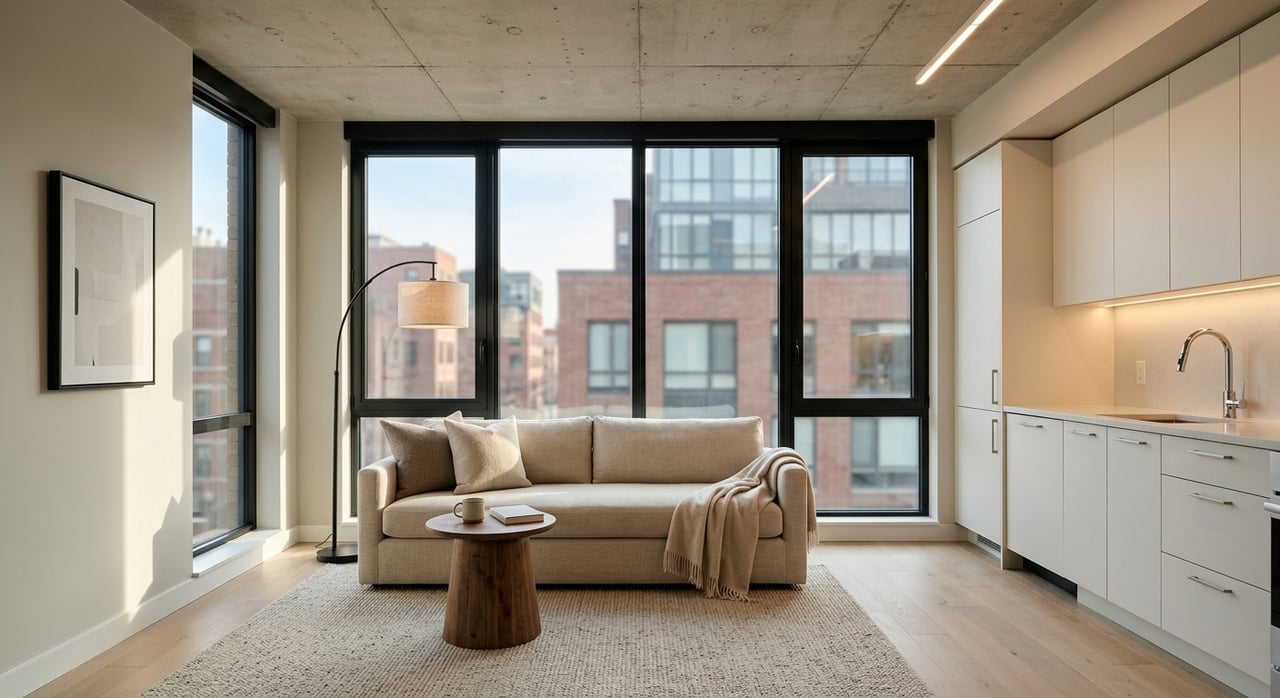
Moving for a new role and eyeing a low‑maintenance home base in the heart of the city? Downtown Milwaukee’s condo scene gives you walkable living, river and lake access, and a range of building styles to match your lifestyle. If you want clarity on neighborhoods, budgeting, HOA rules, financing, and how to plan a quick scouting trip, you’re in the right place. This guide breaks it down step by step so you can land smoothly and start enjoying your new routine. Let’s dive in.
Downtown at a glance: where to look
Downtown Milwaukee is a cluster of connected districts with different vibes and building stock. It helps to start with a quick map of options.
East Town and Westown
These two core districts anchor the business and entertainment heart of downtown. You’ll find a mix of mid‑rise condo buildings, newer residential developments, and quick access to office corridors, performing arts, and the lakefront. East Town connects easily to the streetcar and lake paths, while Westown places you near the arena and emerging entertainment blocks.
Historic Third Ward
If you picture brick-and-timber lofts, galleries, and a lively dining scene, you’re picturing the Third Ward. Many condo buildings here started as warehouses and were converted into loft homes with high ceilings and exposed materials. The neighborhood’s arts and retail energy is a major draw, and it is often synonymous with downtown loft living. Learn more about the district’s character on the neighborhood’s official site for the Historic Third Ward.
Lower East Side and riverfront
Along and north of the river, you’ll see additional loft conversions and mid‑rise condominiums with river views, plus purpose‑built developments that add fitness rooms, rooftop decks, and heated parking. For a broader overview of living options and everyday amenities across downtown areas, the Milwaukee Downtown live guide is a solid starting point.
Common condo styles and amenities
Downtown buildings tend to fall into three categories. Knowing which feel fits your life helps you focus fast.
Converted lofts
Loft conversions in the Third Ward and along the river are known for volume and character. Think tall ceilings, exposed brick or concrete, and large windows. Shared amenities can be simpler, sometimes limited to a rooftop deck, storage, or shared laundry. Walkability, water views, and unique layouts drive value.
Mid‑rise mixed‑use buildings
Many 6–12 story condo buildings built from the 1990s through the 2010s line the riverfront and lakefront edges. These often include fitness rooms, community lounges, rooftop spaces, package rooms, and secure or underground heated parking. Association coverage can vary by building, so confirm whether parking and storage are included in dues or sold or leased separately.
High‑rise towers and ownership models
Some prominent towers downtown were constructed as rentals or mixed rental/condo developments in the last 10–15 years. In recent cycles, developers have leaned more toward rental projects than new condo towers in several submarkets. That makes ownership model a key early question. For example, The Moderne is a well‑known tower you may come across when researching building types. Always confirm whether the building you’re considering is true condominium ownership.
What your budget needs to include
Pricing context
Citywide values and neighborhood pockets can look very different. Zillow’s city‑level pages have shown Milwaukee’s typical home values in the low‑to‑mid $200k range in 2025–2026. At the neighborhood level, the Historic Third Ward commonly trends well above the city median. As of February 2026, Redfin reported a roughly $420k median sale price for the Third Ward, while Zillow’s neighborhood index showed a higher figure due to different data methods and timing. These snapshots change month to month, so use the latest neighborhood pages and active listings for a fresh reality check before you decide.
Takeaway: downtown condo prices are shaped by unit type, building age and amenities, view premiums, and parking. A loft with water views can command a higher price per square foot. At the same time, a two‑bedroom condo downtown may be a lower total purchase price than a single‑family home in certain high‑demand suburbs. Compare apples to apples based on your space and amenity priorities.
HOA dues: typical ranges and what they cover
There is no single “normal” condo fee for downtown. Monthly dues vary by building age, amenity level, staffing, and whether some utilities are bundled. Real‑world listings for amenity‑rich buildings show several‑hundreds to $800+ per month in association fees, which aligns with examples seen in local coverage like this downtown condo feature. Smaller or simpler loft buildings may show lower dues.
What dues often include:
- Master building insurance, common‑area maintenance, elevator servicing, landscaping, trash, snow removal, reserve contributions, and building staffing or management
- Sometimes bulk utilities, such as water, sewer, or heat, and occasionally bulk internet or cable
Always request the association’s current budget and a written line‑item list of what your dues cover. Confirm parking and storage are included or note any separate costs.
Insurance note
Your condo association typically carries a master policy for the building. You will still need an individual condo policy (HO‑6) to cover interior finishes and personal property. Match your HO‑6 coverage to the association’s “walls‑in” policy language so there are no gaps.
Association red flags to check
A healthy association protects your investment. Ask for:
- Reserve study and current reserve balance
- Year‑to‑date financials and recent meeting minutes
- Disclosure of any litigation, pending special assessments, or major repairs
- Data on owner‑occupancy percentage and delinquency rates
Small or depleted reserves, frequent special assessments, or high delinquency can mean higher future costs. In Wisconsin, condos are governed by the Wisconsin Condominium Ownership Act (Chapter 703). You can reference the statute here and request the required disclosures from sellers or the association: Wisconsin Condominium Ownership Act, Chapter 703.
Financing condos the smart way
Condo financing has an extra layer. Lenders underwrite both you and the condominium project.
- Many loans rely on project eligibility standards through Fannie Mae or Freddie Mac. FHA‑backed loans have their own rules and an approved‑project list.
- Lenders review owner‑occupancy levels, reserve funding, any litigation, the share of commercial space, and delinquency rates.
- If a building does not meet guidelines, it may be considered non‑warrantable, which can change your loan options and down‑payment requirements.
Practical steps:
- Get pre‑approved with a lender experienced in condo underwriting.
- Ask your lender to check project eligibility early using FHA/GSE tools. HUD provides consumer‑facing guidance and an overview of condo rules here: HUD condominium resources.
- If your short list includes a non‑warrantable building, discuss portfolio loan options and any added documentation.
Getting around without stress
One advantage of downtown living is flexibility in how you move.
- Buses: The Milwaukee County Transit System (MCTS) is the countywide network with many routes hubbing downtown. Check maps, timetables, and the WisGo fare app on the MCTS site.
- Streetcar: The Hop is a downtown circulator linking the Intermodal Station, East Town, the Historic Third Ward, and the Lower East Side. The system has been fare‑free since launch and remained fare‑free as of February 23, 2026. Learn about stops and service on The Hop’s overview page. Policies evolve, so confirm fare updates before you move.
- Regional rail: If you expect to travel to Chicago, the Amtrak Hiawatha runs multiple daily round trips between Milwaukee Intermodal Station and Chicago Union Station with scheduled travel times around 89–90 minutes. See schedules on the Amtrak Hiawatha page.
- Parking: Downtown condo listings usually spell out parking details. Confirm whether a stall is deeded, assigned for a monthly fee, or available by application, and ask about guest parking rules.
- Micromobility: The City’s dockless scooter program and rideshare options help with short hops. Check your building’s rules for scooter storage and whether bike storage is available. Program details are posted by the city’s Dockless Scooter Program.
Downtown vs suburbs: how the markets behave
- Unit mix: Downtown has a higher share of condos, loft conversions, and rental towers. A single large building coming to market can swing perceived inventory in a small sub‑area. Examples like The Moderne highlight how large developments shape the local skyline and unit mix.
- Pricing dynamics: Third Ward lofts and riverfront units often command premium prices per square foot. Some nearby suburbs, such as Shorewood or selected Wauwatosa pockets, can show higher median single‑family prices than many downtown condos. Always compare by unit type, square footage, parking, and amenity level.
- Liquidity and seasonality: Condo sales downtown can show more seasonality and can be sensitive to investor and renter demand. Before you make a move, review recent sales for your short‑listed buildings to understand how quickly similar units have traded.
Your pre‑scout plan before you visit
A little prep saves a lot of time during a quick house‑hunting trip. Here is a tight checklist for relocating professionals.
- Get pre‑approved for a condo purchase
- Tell your lender you are shopping condos so they can check building eligibility early. If your loan program needs FHA or GSE approval, confirm that up front. Start with HUD’s condo resources for baseline rules.
- Set a complete monthly budget
- Include mortgage, property taxes, HOA dues, utilities, parking, and a cushion for potential special assessments. Use active building listings to estimate dues, but verify with association documents.
- Narrow buildings with a simple matrix
- Commute time options: car, MCTS, or The Hop. Use the MCTS planner and The Hop route info to test your likely commute.
- Must‑have amenities: heated parking, fitness, staffed lobby, storage.
- Unit style: loft character versus modern finishes.
- Rules: pet policy, rental rules, and any short‑term rental restrictions.
- Request association documents
- Ask for the current budget, year‑to‑date financials, latest reserve study, recent meeting minutes, insurance certificate, declaration and bylaws, rules, and any litigation disclosure. Wisconsin’s Condominium Ownership Act (Chapter 703) outlines required disclosures.
- Ask for an estoppel or unit ledger
- Your lender may require confirmation that the unit has no unpaid dues or pending special assessments.
- Build a 1–2 day on‑site plan
- Neighborhood walk: Visit at peak commute times and again in the evening to note noise, lighting, and your comfort level.
- Parking test: Park in the building’s garage if possible or try the nearest public ramp. Ask about guest parking procedures.
- Commute test: Time your walk to the nearest bus stop or streetcar platform. If you will travel to Chicago, test the timing to and from the Amtrak Hiawatha platform.
- Building health check: Ask about elevator reliability, staff coverage, recent capital projects, and any special assessments. Look for signs of deferred maintenance in common areas and request any available inspection reports.
Sample 1‑day scouting schedule
- Morning: Meet your buyer’s agent, then tour 2–3 buildings that match your priorities.
- Midday: Walk the neighborhood, grab lunch nearby, and test transit or streetcar connections.
- Afternoon: Review association documents, follow up with listing agents or managers on open questions, and check nearby grocery, fitness, and medical options.
- Evening: Revisit your top building to gauge after‑hours noise and lighting.
Make your move with confidence
Downtown Milwaukee condo living can give you the best mix of convenience, culture, and low‑maintenance comfort. With a clear budget, focused building list, and early financing checks, you can move from research to keys-in-hand without surprises. If you want a steady guide who knows the market, association pitfalls, and relocation timelines, let’s talk. Schedule a consultation with Jenna Johanning to map your next steps.
FAQs
How should a first‑time downtown buyer choose a neighborhood?
- Start with your daily routine. Map commute options, grocery and fitness stops, and your preferred after‑work activities. Then narrow to buildings that match your must‑have amenities.
How much are HOA dues for downtown Milwaukee condos?
- Dues vary by building and amenities. Examples for amenity‑rich buildings often run several‑hundreds to $800+ per month, while simpler lofts can be lower. Always verify inclusions and recent budgets.
Is The Hop streetcar free and useful for errands?
- As of February 23, 2026, The Hop operated fare‑free and connects key downtown districts, making it handy for “park once” living. Check for updates before you decide.
How is condo financing different from a house in Wisconsin?
- Lenders also underwrite the condo project. They check reserves, owner‑occupancy, litigation, and other factors. Ask your lender to review FHA or GSE project eligibility early using HUD’s condo resources.
What condo association documents should I review before buying?
- Request the budget, YTD financials, reserve study, recent meeting minutes, insurance certificate, bylaws and rules, and any litigation disclosures. Wisconsin’s Chapter 703 outlines required disclosures.
Do downtown condos include parking?
- It depends. Some units include a deeded or assigned stall, others require a separate purchase or monthly fee. Ask about guest parking rules and any EV or bike storage options.
